Affiliated Centers

The NYU Rudin Center for Transportation, led by Sarah M. Kaufman, explores challenges in transportation and infrastructure. The Center draws upon faculty and graduate students to conduct research on cities and mobility, information technology in transportation and access to mass transit.

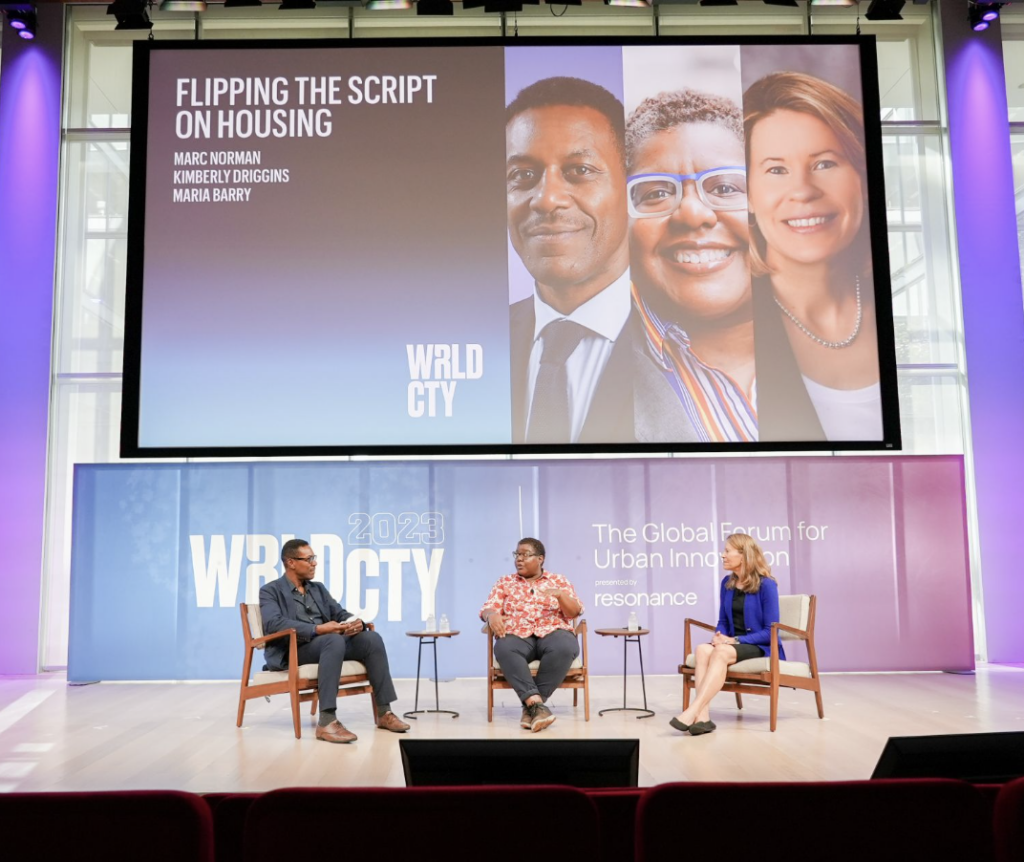
The NYU School of Professional Studies Schack Institute of Real Estate, led by Associate Dean Marc Norman, offers cutting-edge, globally focused curricula including a real estate bachelor’s degree, real estate and real estate development graduate degrees, a construction management graduate degree, real estate continuing education, and real estate executive education.


Prof Mark Norman at WRLD CTY 2023

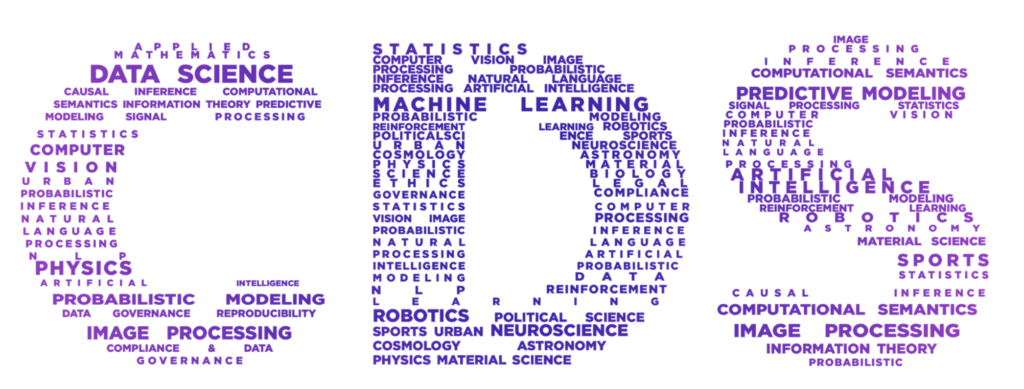
The Center for Data Science (CDS) is the focal point for NYU’s university-wide efforts in Data Science. The Center was established in 2013 to advance NYU’s goal of creating a world-leading Data Science training and research facility, and arming researchers and professionals with the tools to harness the power of Big Data. With cross-disciplinary research and innovative educational programs, CDS is shaping the new field of Data Science.

The Urban Future Lab at NYU Tandon is a non-profit innovation hub for best-in-class climatetech startups with a focus on clean energy and sustainable urban infrastructure solutions. UFL is home to programs focused on market solutions, education for the green economy, and entrepreneurial opportunities for students.

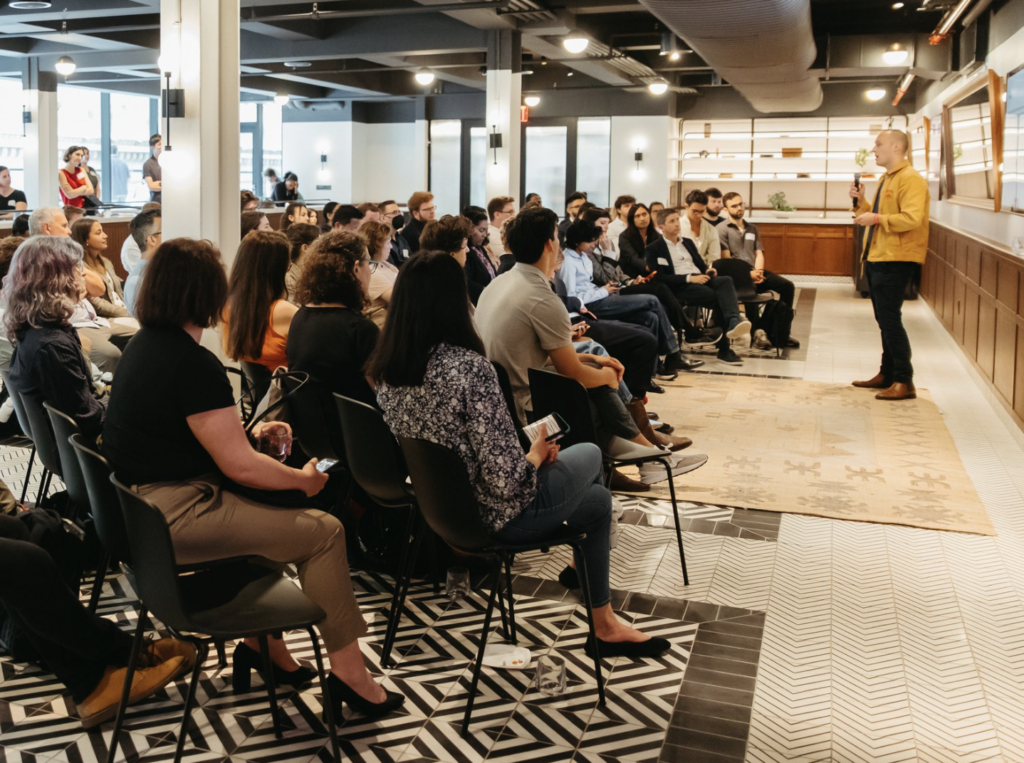
audience listening to a speaker in an office

The Institute of Design and Construction (IDC) Innovation Hub serves as a catalyst among technology, business, and academia to join forces and ignite our imaginations while seeking solutions to our most pressing needs. It will provide a transformational framework to enable the construction industry to build faster, in a more cost-effective manner, and more creatively while maintaining stringent safety standards. We work with our member firms to achieve construction excellence by driving change, asking probing questions, and posing “what if” scenarios.

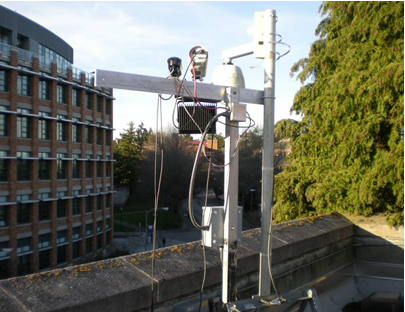
The STAR Lab is an excellent research facility for intelligent transportation systems (ITS) research and education that is directed by Professor Wang . The STAR Lab currently has two fiber optic connections to the WSDOT Traffic System Management Center (TSMC). Real-time loop measurements from over 10 thousands of inductance loops in the greater Seattle area are also available at the STAR Lab. The Lab has its own traffic sensors generating data for research and teaching. Additionally, the STAR Lab has 23 server computers actively used for data management and analysis.
star cam

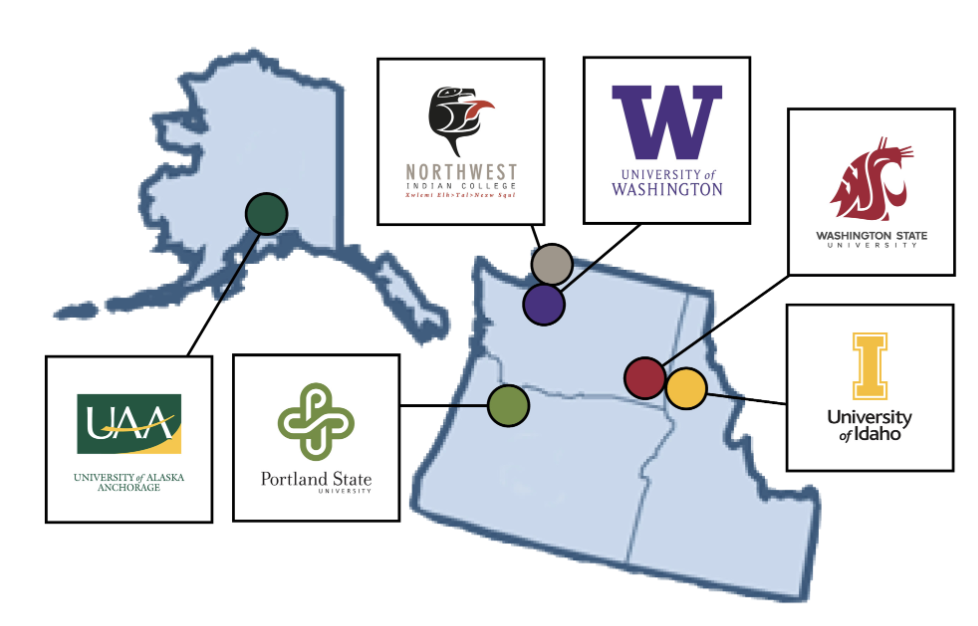
Pacific Northwest Transportation Consortium (PacTrans) at the University of Washington is a Regional University Transportation Center (UTC) administered by USDOT through the Office of the Assistant Secretary for Research and Technology (OST-R). PacTrans focuses on providing human-centered, purpose-driven, and science-based transportation research, technology development, and technology transfer for developing a safe, equitable, accessible, and sustainable transportation infrastructure.

The Intelligent Urban Transportation Systems (iUTS) Lab, led by Professor Jeff Ban, focuses on the Monitoring, Mining, Modeling, and Managing (4M) of the Urban Transportation Systems (UTS). Research projects of iUTS cut across multiple areas. Current research topics/areas include Urban Systems with emerging technologies, such as Mobile sensing/Big Data/CV (Monitoring, Mining, and Modeling) and Dynamic transportation network modeling (Modeling and Management)

UTS lab logo
rutgers

The Alan M. Voorhees Transportation Center (VTC) is a national leader in the research and development of innovative transportation policy. VTC has the full array of resources from a major research university on transportation issues of regional and national significance. VTC includes the National Transit Institute, which was created by Congress in 1992 to design and deliver training and education programs for the U.S. transit industry.

Intelligent Bridge Engineering and Advanced Materials (i-BEAM) Lab, led by Professor Hani Nassif, is a multi-modal transportation infrastructure research and education facility focusing on the structural health monitoring, advanced concrete materials, finite element analysis, traffic and transportation analysis, life cycle cost analysis, etc.

The Piccoli lab, led by Professor Benedetto Piccoli, uses computational biology and mathematical modeling in order to tackle questions in a host of different fields. Ongoing projects range from the study of metabolic pathways in order to better understand tuberculosis treatment to compartmental SIR model optimization in order to better understand the COVID–19 pandemic, to using control algorithms to further the capabilities of autonomous vehicles.

cuny-logos_0005_Gradient-Map-1

The Center for Social and Economic Mobility for People and Communities through Transportation (SEMPACT) will collaborate with other universities and colleges to understand transportation challenges and needs in the area and research solutions to address these issues. SEMPACT and its regional institutions will also work on inclusive advanced technology to ensure that new technologies can be easily integrated into communities’ daily lives.

UTEP logo - Primary

The Performance Assessment of Structural Systems (PASS) Lab, led by Professor Jeffrey Weidner, is focused on delivering novel and timely research centering on the approaches our society utilizes to address, evaluate, and manage our infrastructure. The PASS Lab believes that the current approach to infrastructure management is not sustainable, and are working to find new approaches.

The Border Intermodal Gateway (BIG) Transportation Laboratory is equipped with traffic survey devices (e.g., counters, GPS receivers), video cameras and playback devices, transportation planning tools (TransCAD, VISUM), traffic simulation tools (CORSIM, VISSIM, PARAMICS, DynusT, TransModeler), traffic signal optimization software (SYNCHRO), traffic analysis software (HCS), operation research/optimization program (GAMS), travel behavior modeling software (LIMDEP), mobile source emission estimation software (MOBILE6, MOVES) supported by a cluster of desktop computers networked with a multi-CPU server. Researchers in UTEP also have full access to campus-wide unlimited academic license of ArcGIS and statistical software.

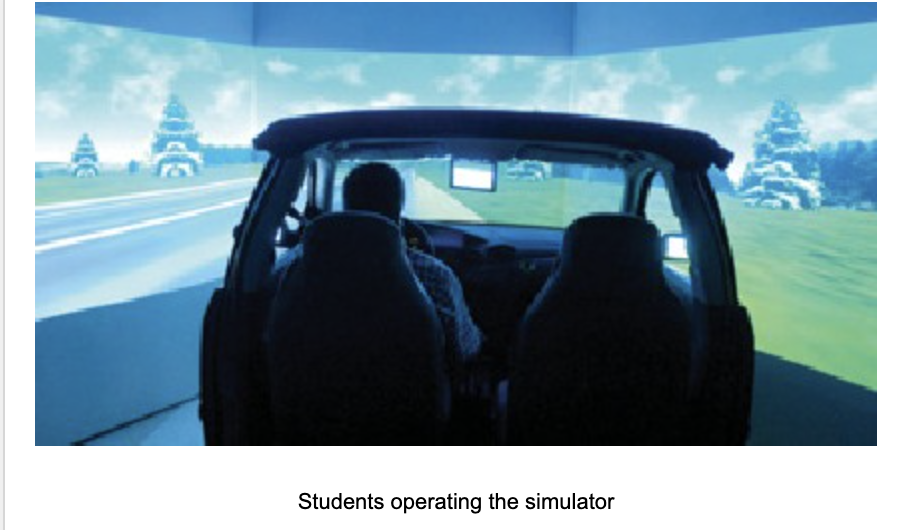
The Driving Simulation Lab has a state-of-the-art motion capable high-fidelity driving simulator. The visual display consists of 3 large screens with 135-degree wide-angle field of view. In addition, auditory feedback is provided through stereo components. A motion – platform provides initial cues in the form of pitch and longitudinal motion. A validated vehicle dynamics program governs the behavior of the vehicles in the simulation. All of these provide a true-to-life, scientifically validated driving experience.

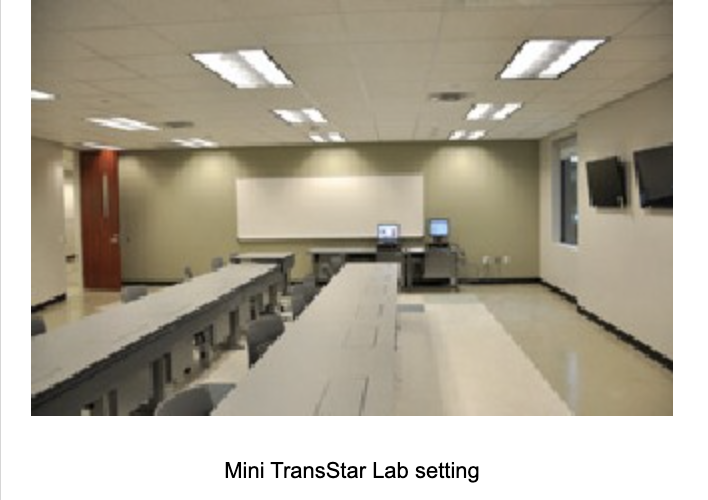
The Mini-TranStar lab in the Department of Transportation Studies was established in 2006 according to an agreement between TSU and Texas Department of Transportation, which allows TSU to access all the real time Closed Circuit Television (CCTV) traffic videos and speed data that are currently available in Houston Traffic Management Center, TranStar. The lab is currently headed by Professor Azimi.

The Mini-TranStar Lab combines the use of a research lab with a real-world Traffic Management Center.  This lab can maximize the efficiency and productivity of the research being done in the Department of Transportation Studies.

mini transstar lab
NCAT logo

NCA&T’s Transportation Modeling Lab, led by Prof. Venktesh Pandey, works to harness emerging technologies and mobility services to create safe, sustainable, equitable, and resilient transportation solutions that empower communities and improve the movement of people and goods.

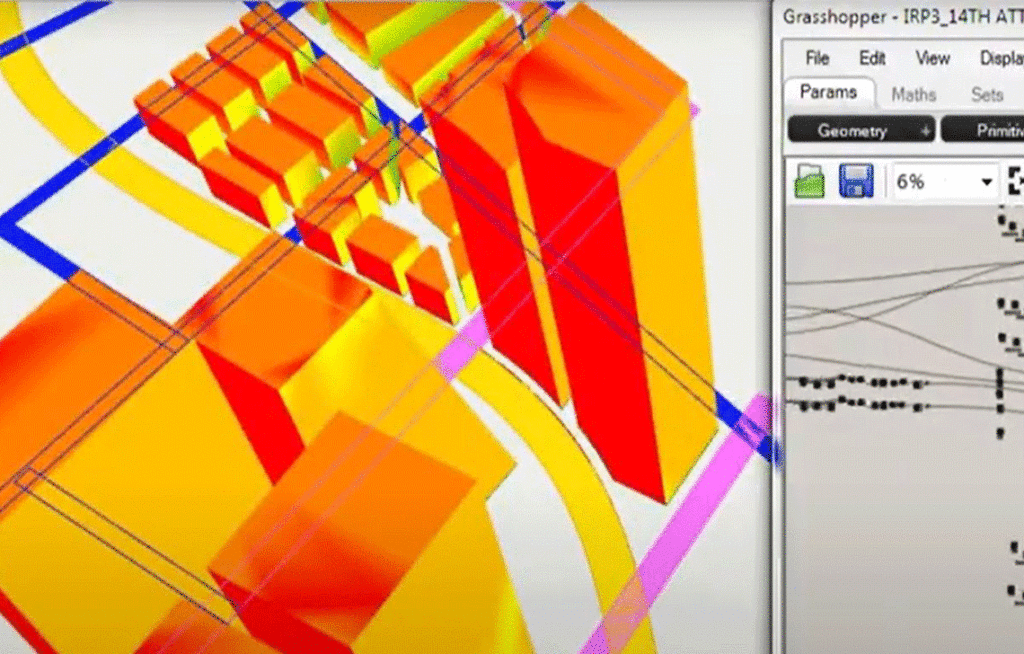
Professor Shuva Chowdury’s Digital-Urban Research and Innovation Lab (DURI) believes that in the post-industrial era, information technologies are implanted into design processes to frame our spatial environment dealt by architecture or urban design. It is necessary to understand the impact of such post-digital culture in the theoretical discourse of design processes either in architecture or urban design.

gif of changing forms of data in a digital program