Automated Lane Change and Robust Safety
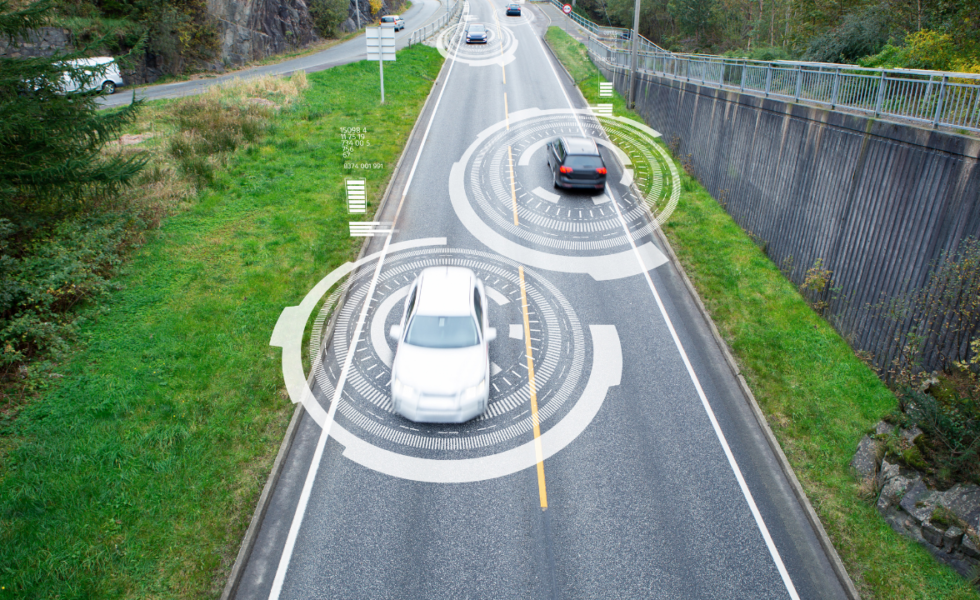
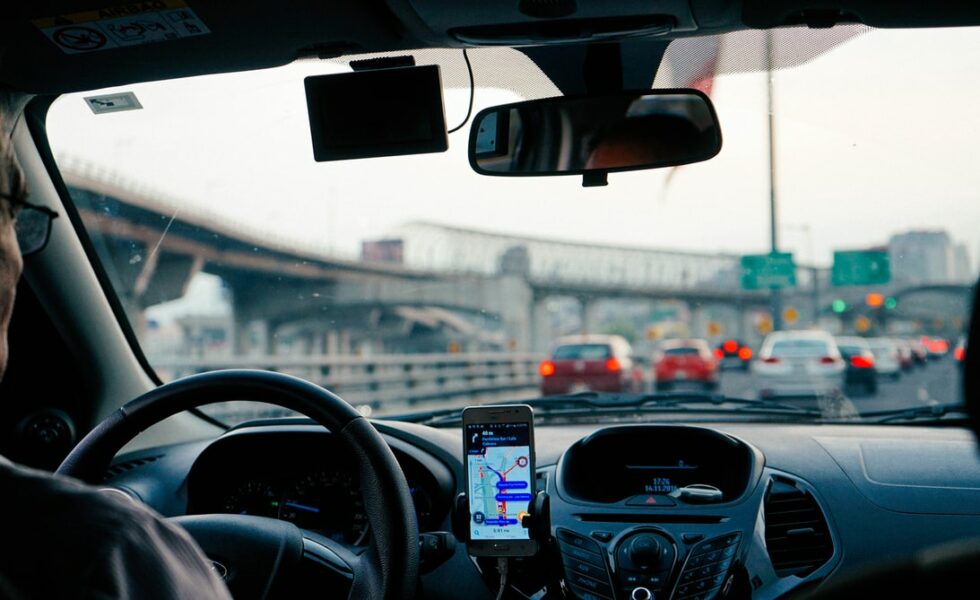
Inappropriate lane changes are responsible for one-tenth of all accidents, due to human drivers’ inaccurate estimation and prediction of the surrounding traffic, illegal maneuver, and inefficient driving skill. Autonomous lane changing is regarded as a solution to reduce these human errors. At present, there are many obstacles to developing automated lane-changing technology, including interactions between vehicles, complex routing choice, and interactions between vehicles and the environment. Building on our prior work on lane keeping and lane changing, this collaborative research project aims to take a significant step forward to develop innovative solutions for autonomous lane change maneuvers.

Urban Connector Year 3: Field Tests

Over the past three years, researchers at UTEP and NYU have collaborated on the development of a smartphone application, Urban Connector, which is designed to cater to the urban mobility needs and preferences of seniors in El Paso. A prototype of the application was developed and a follow-up survey was conducted to gather feedback. The app was improved to its beta version, and was tested by seniors in El Paso in their day-to-day travels.

Integrative Vehicle Infrastructure Traffic System (iVITS) Control in Connected Cities

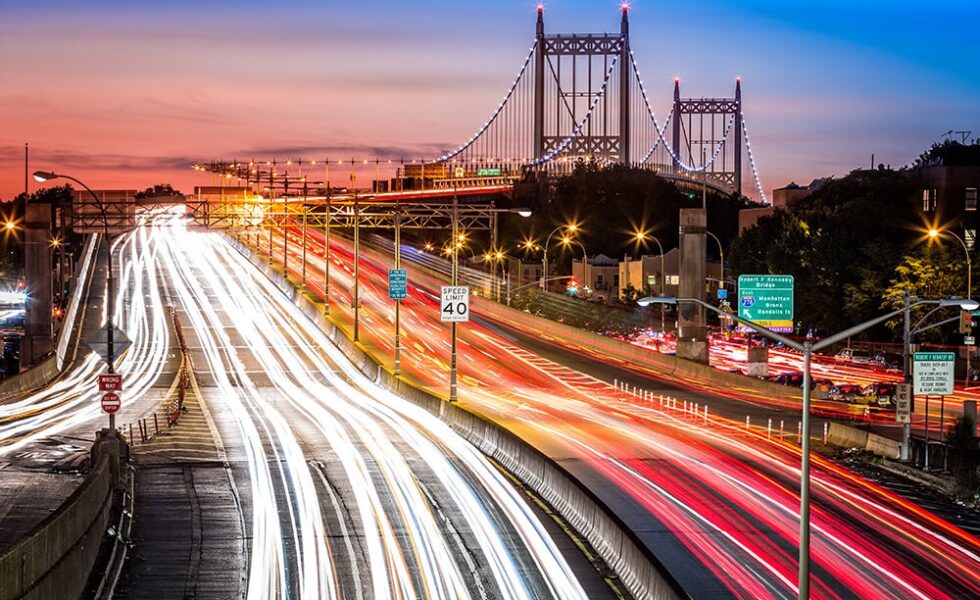
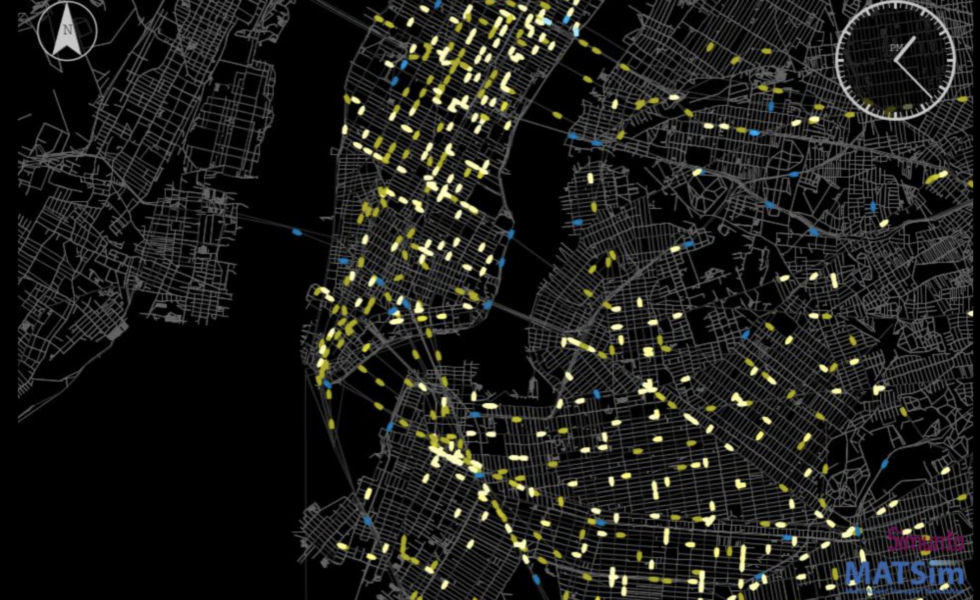
In this project, the research team will propose a simulation-based approach for the evaluation of traffic control algorithms that will utilize CV technologies. Given the ongoing CV pilot deployment in NYC, the proposed project will tie in to the objectives set out to be achieved as a part of the NYC CV pilot. The City College of New York (CCNY) team will work with NYU and UW researchers to test the models and algorithms in microsimulation and hardware-in-the loop simulations on a NYC-specific network.

Digital Twin Technologies Towards Understanding the Interactions between Transportation and other Civil Infrastructure Systems

Digital Twin (DT) technology represents the next evolution in a gradual shift from physical to digital models in civil engineering. Computer-Aided Drafting (CAD) revolutionized the industry by reducing the time and costs associated with documenting the design. Building Information Modeling (BIM) has since all but eliminated the need for physical design descriptors (i.e., drawings or physical models). A digital twin is a relevant abstraction of the physical asset. Itis most frequently used to model/improve/control manufacturing systems. Civil engineering applications of DT have been starting to emerge, but transportation infrastructure represents a challenging extension of DT technology because of its spatial scale and voluminous and time-varying data. However, DT is a powerful decision support tool for the design, maintenance, and management of transportation infrastructure, particularly for studying the interdependency with other infrastructure systems.

Exploring AI-based Video Segmentation and Saliency Computation to Optimize Imagery-acquisition from Moving Vehicles

The research team will first establish a test bed for the development of the advanced WIM (A-WIM) system by collaborating with local transportation agencies for the selection of the test bed site near a static weighing station. Then, it will develop a set of calibration procedures to guarantee that the level of accuracy is reached and preserved over time. These procedures will include, but are not limited to, the effect of temperature, humidity, and pavement type.

Development of Advanced Weigh-In-Motion (A-WIM) System for Effective Enforcement of Overweight Trucks to Reduce their Socioeconomic Impact on Major Highways

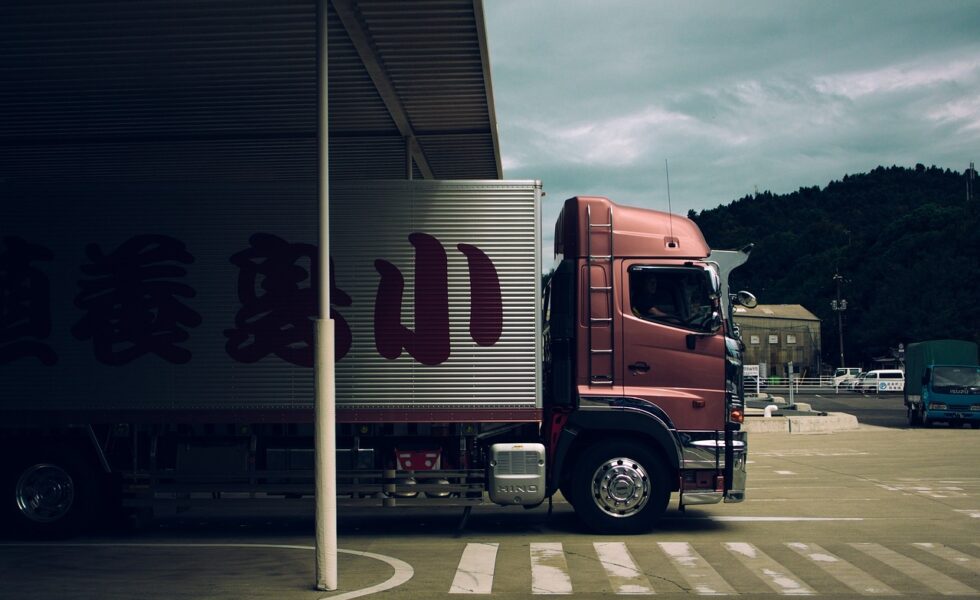
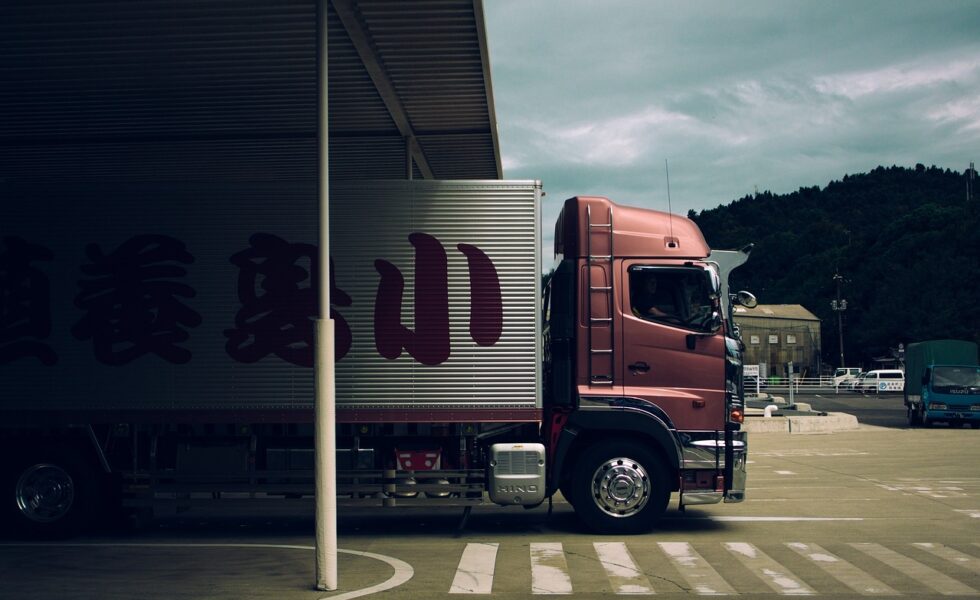
The research team will first establish a test bed for the development of the advanced WIM (A-WIM) system by collaborating with local transportation agencies for the selection of the test bed site near a static weighing station. Then, it will develop a set of calibration procedures to guarantee that the level of accuracy is reached and preserved over time. These procedures will include, but are not limited to, the effect of temperature, humidity, and pavement type.