Integrative Vehicle-Traffic Control in Connected/Automated Cities

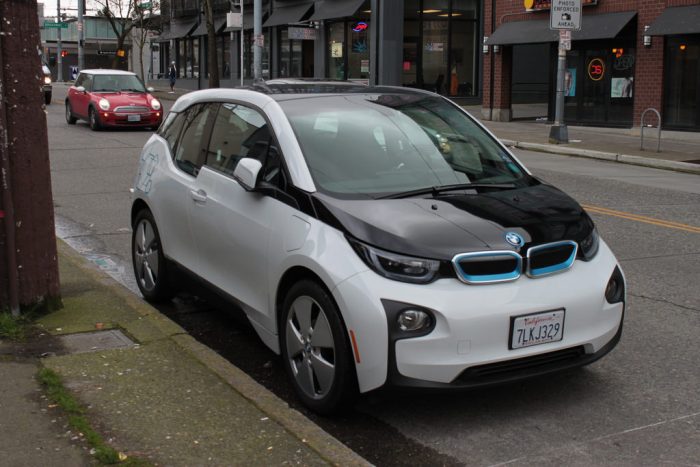
In this project, the research team built on work done in a Year 1 C2SMART project, in which a decomposition method was developed to address traffic signal optimization. This project aims to develop methods to deal with mixed traffic flow and develop CAV-based signal coordination methods with multiple signalized intersections

Design of Resilient Smart Highway Systems with Data-Driven Monitoring from Networked Cameras

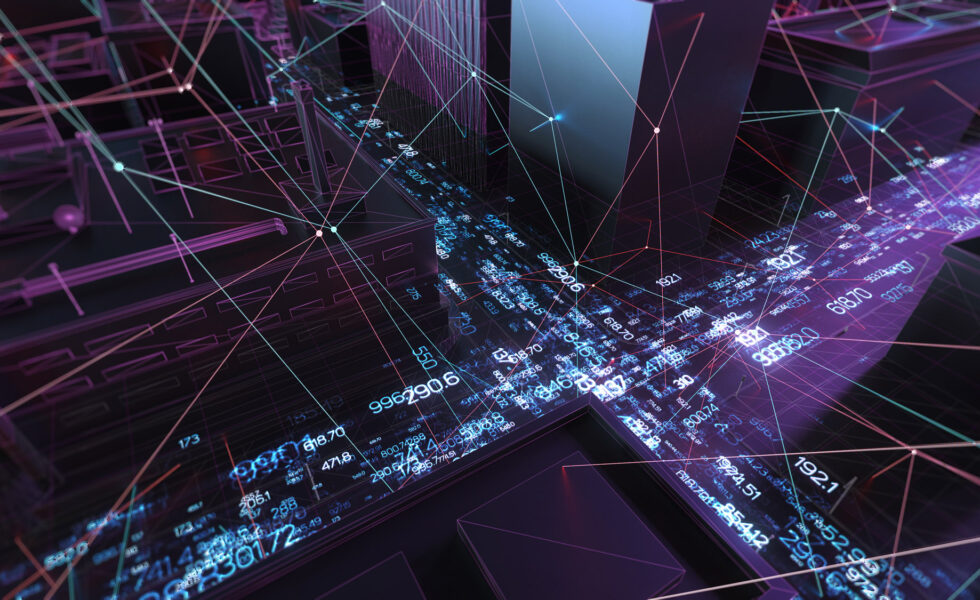
This project aims to develop a systematic way to design smart highway systems with networked video monitoring and control resiliency against environment disruptions and sensor failures. The research team will investigate deep learning methods for extracting fine-grained local categorical traffic information from surveillance videos and novel graph neural network methods to correlate and propagate the local information through the highway network for global states estimation, such as vehicle tracking and reidentification or traffic prediction in an unobserved area.

A Comprehensive Analysis of Air Quality in the NYC Subway System

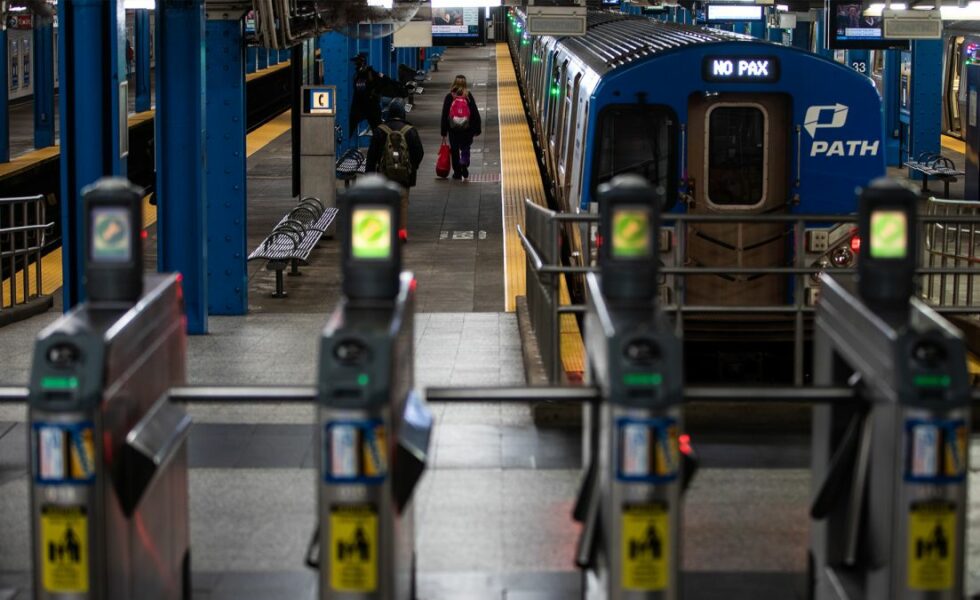
Exposure to ambient particulate matter (PM) air pollution is one of the leading risk factors for global disease burden. Preliminary measurements carried out by the PI and colleagues have identified that concentrations of PM2.5 in subway cars frequently reach 100 mg/m2, and concentrations in stations reach 200 mg/m3, almost 6 times EPA standards.

Integration and Operation of an Advanced Weigh-in-Motion (A-WIM) System for Autonomous Enforcement of Overweight Trucks

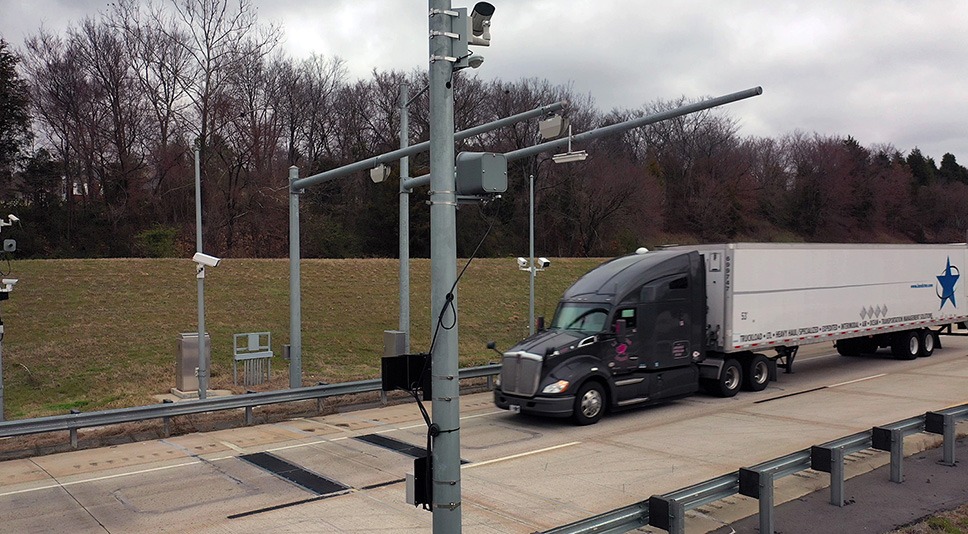
Trucks have been an integral part of the freight movement network in distributing goods and services to various communities; however, a percentage of these trucks are often overloaded beyond legal load limits. A more practical and efficient OW enforcement scheme would be needed to discourage the trucking industry from overloading their fleets.

Quantifying and Visualizing City Truck Route Network Efficiency Using a Virtual Testbed

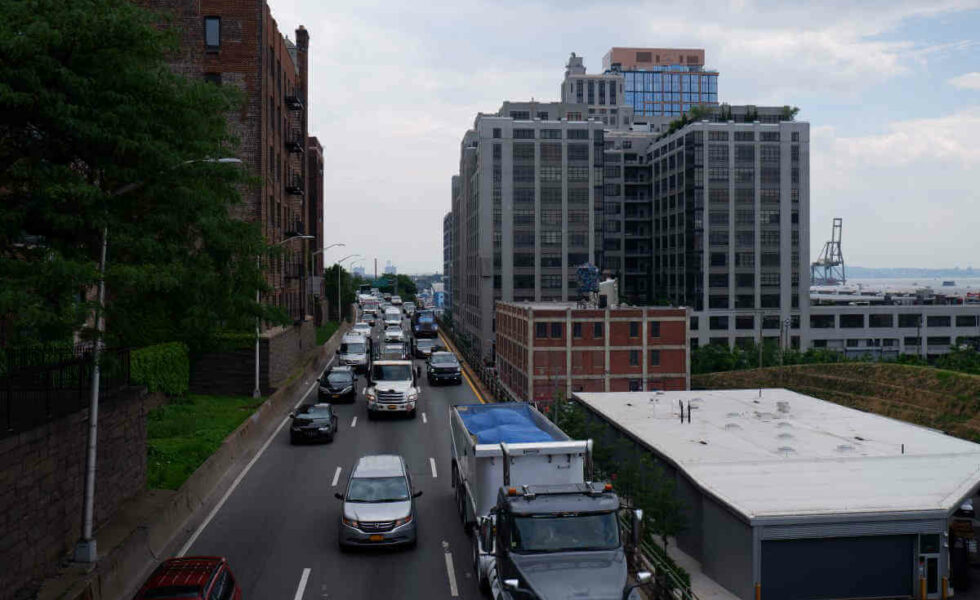
Cities like NYC and Seattle need to deal with significant growth of urban deliveries as a result of increasing e-commerce compounded by increased stay-at-home behavior due to COVID-19. We propose to develop a citywide model of truck network flows, one that relates changes to truck routes to changes in truck tours or to time-of-day congestion pricing policies.