Equity in Transportation Research Panel

As C2SMART heads into its sixth year of projects, we seek to develop and fund projects which will be bigger and bolder than ever before. We are looking for projects

Connected Cities with Smart Transportation
Read about projects, events, and announcements from the C2SMART Center.
As C2SMART heads into its sixth year of projects, we seek to develop and fund projects which will be bigger and bolder than ever before. We are looking for projects

Application season is upon us! As students decide what to study, and why, we want to provide the opportunity to learn about the many forms that a career in transportation can take, from “traditional” engineering jobs to cutting-edge technology development and roles in policy and urban planning.
As C2SMART heads into its sixth year of projects, we are reshaping our RFP process to solicit a project slate which will be bigger and bolder than ever before. We are looking for projects which showcase possibility, addresses complex challenges, broadens collaboration, and directly strengthens the transportation field. This includes research and development projects, student-led initiatives, and non-traditional research in the form of workshops and workforce development.
The Departments of Civil and Urban Engineering (CUE) and Electrical and Computer Engineering (ECE) at the NYU Tandon School of Engineering invite applications for a tenure track faculty position at the Assistant Professor level, to start on September 1, 2022.
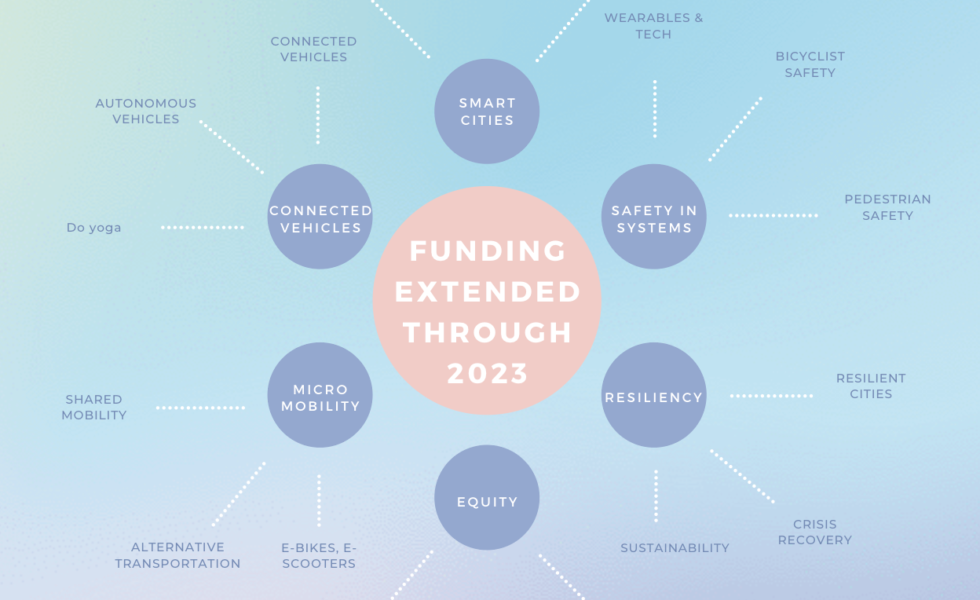
C2SMART Center has been awarded an additional year of funding worth $1.4 million by the US Department of Transportation (USDOT), extending C2SMART’s Tier 1 University Transportation Center (UTC) designation to September 2023.
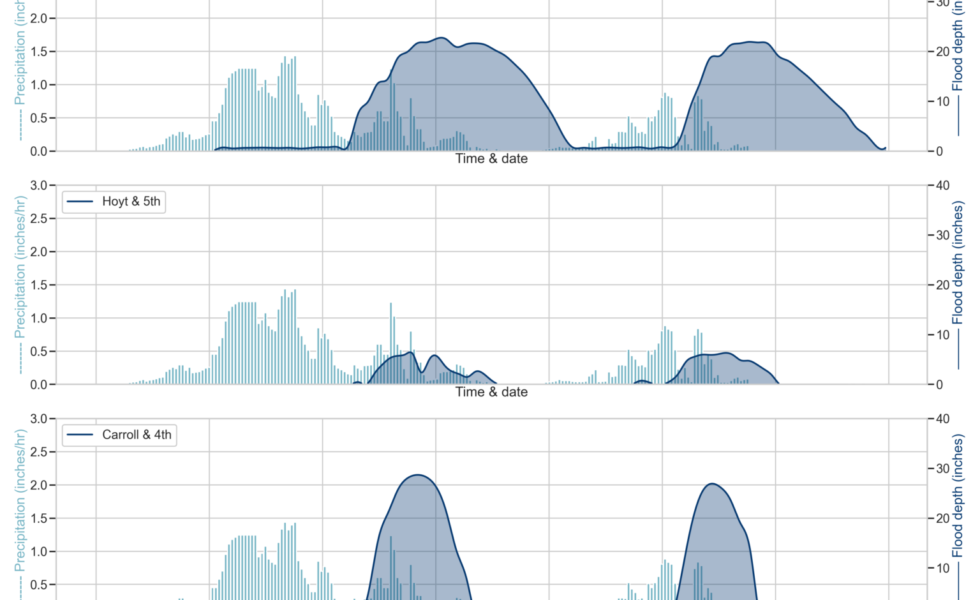
The FloodSense alert system generates emails and telegram messages at the detection of a flood that exceeds 5 inches, and there are early indications that these warnings were received prior to warnings from other city detection systems.

Each year, the C2SMART Center acknowledges one student from any of its member institutions as a Student of the Year as chosen by the Center’s executive leadership committee. Apply today.
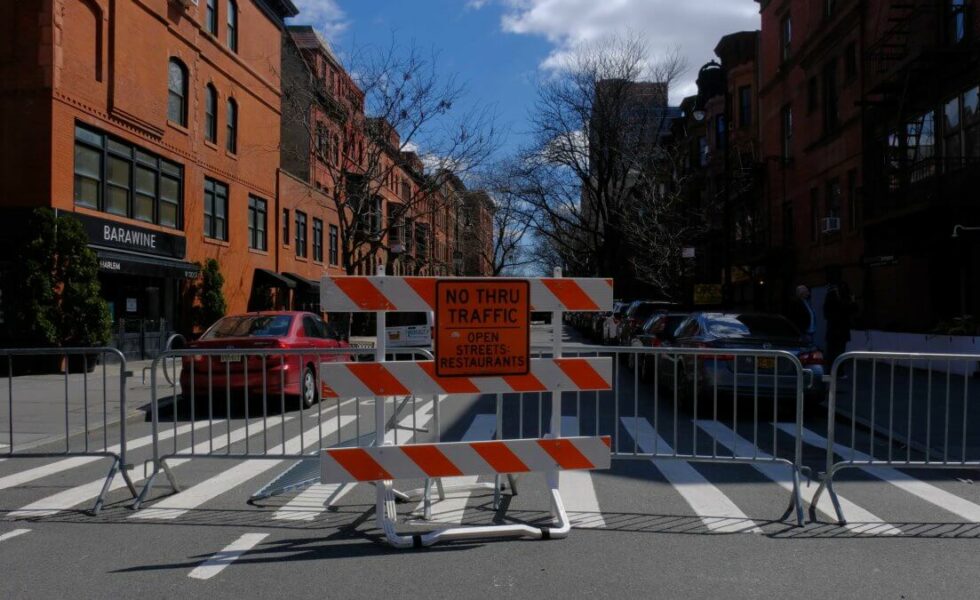
Cities around the globe are using the COVID-19 pandemic and resulting shelter-in-place orders to explore pedestrianizing streets. Strategies on which streets to open to communities and how to do so vary widely between municipalities. In some cities, busy streets considered too vital to close entirely are required to remove parking lanes to expand pedestrian space. A growing number of cities, including New York City, have developed plans to close parking lanes on several miles of street to provide more outdoor seating for adjacent restaurants and cafes. Many cities have also provided extra space in front of grocery and large chain stores to give lines of customers room to distance themselves. Cities such as Burlington and Providence have reduced speed limits in large portions of their downtown areas, and specifically in Burlington, the new lower speed limit was implemented citywide to try to mitigate pedestrian fatalities. Seattle has reserved many of its core streets for “local traffic only”, reducing congestion within certain neighborhoods, and improving street safety in high-density residential areas.
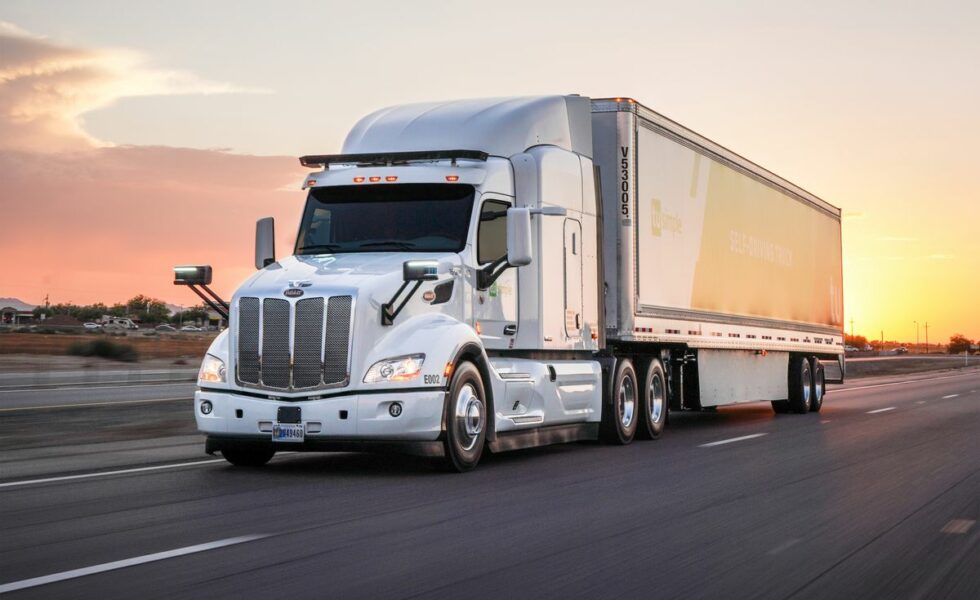
The COVID-19 pandemic has affected every economic sector and the shipping and trucking industries are no exception. Like a domino effect, the decline in manufacturing in other countries has reduced international trade leading to a loss of work at American ports and roads.